DSLR vs CSC
Introduction
DSLR cameras (SLR) and mirrorless cameras (or CSCs) are both popular choices in the world of photography. They have distinct differences and advantages that cater to various needs and preferences. In this article, we’ll explore the key differences between DSLRs and CSCs to help you make an informed decision.
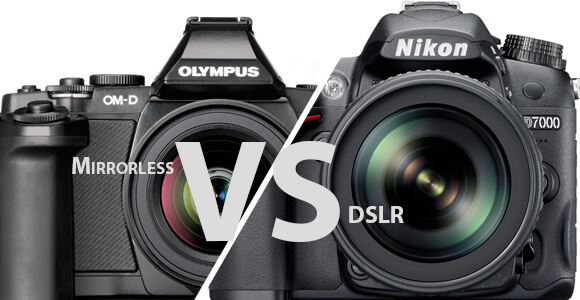
1. Size and Weight
DSLR cameras can be bulky, which can be an advantage or disadvantage depending on your preferences and the type of photography you do. Mirrorless cameras, on the other hand, are known for their compact and lightweight design. However, it’s essential to consider the balance between the camera and the lens, especially when using larger lenses.
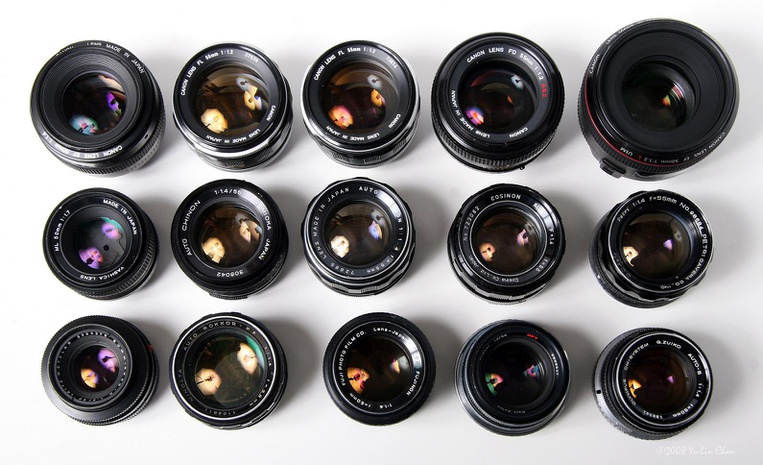
Some mirrorless cameras come with zoom lenses, but photographers who like to experiment with different lenses may find the selection limited compared to DSLRs. Micro 4/3 mirrorless cameras, such as those from Panasonic and Olympus, offer a compact and harmonious setup. Keep in mind that mirrorless cameras are evolving, and some are becoming larger to accommodate more features.
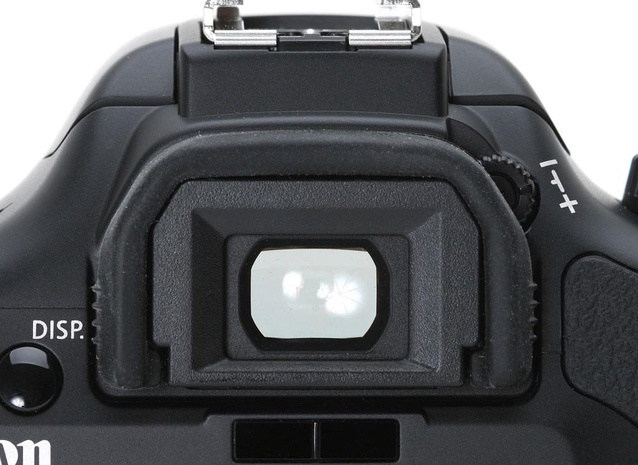
3. Viewfinder
DSLRs are equipped with optical viewfinders, providing a natural and unobstructed view of the scene. In contrast, many mirrorless cameras rely solely on LCD displays or electronic viewfinders (EVFs). While EVFs have improved in quality, they may still exhibit slight lag during fast movements. However, EVFs offer advantages like displaying additional information and simulating the final image, reducing surprises in your shots.
Ultimately, the choice between optical and electronic viewfinders comes down to personal preference.
4. Autofocus
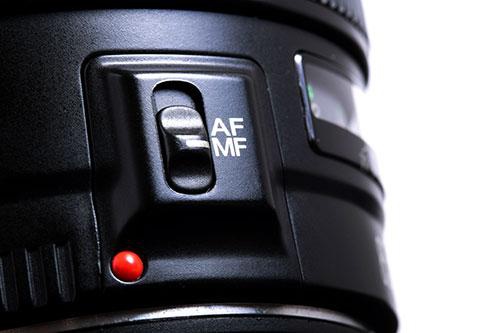
DSLRs excel in phase detection autofocus, especially for fast-moving subjects. In live view mode, they often switch to contrast autofocus, which can be slower. Some DSLRs, like the Canon EOS 80D and 7D Mark II, feature hybrid autofocus systems that combine phase detection elements on the sensor for faster live view focusing.
Mirrorless cameras also vary in autofocus capabilities. Some offer a combination of phase and contrast autofocus, providing both accuracy and speed. The choice depends on your specific needs, but DSLRs still have an edge for fast action photography.
5. Continuous Shooting
Mirrorless cameras have a distinct advantage in continuous shooting. They lack the mirror mechanism present in DSLRs, allowing for faster shooting speeds. Some mirrorless cameras can shoot at high frame rates, making them ideal for action photography. Additionally, many mirrorless cameras focus on 4K video capabilities, further enhancing their performance in capturing a large number of frames.
For example, the Olympus OM-D E-M1 Mark II can shoot at 60fps, while top-end DSLRs like the Canon EOS-1D Mark II reach 14fps. Mirrorless cameras often maintain this speed even when using an electronic shutter.
6. Video
DSLRs were initially popular for video shooting, but mirrorless cameras have caught up and offer several advantages. Mirrorless cameras, especially models like the Panasonic GH4 and Sony Alpha A7S II, provide 4K video capabilities and a wide range of live view, focusing, and processing options. This makes them more convenient for video enthusiasts.
While DSLRs are still favored by some professionals and YouTubers, mirrorless cameras are gaining ground in the world of videography.
7. Functionality
Both DSLR and mirrorless cameras offer extensive manual settings and capabilities, making them suitable for photographers of all levels. They can shoot in both RAW and JPEG formats and produce high-quality images. The functionality is comparable in various sectors, from beginners to professionals.
However, some entry-level DSLRs may have manual settings hidden behind automatic modes, while mirrorless cameras aim to provide more accessible manual controls.
8. Photo Quality
Both DSLRs and mirrorless cameras offer high-quality images, with sensors ranging from APS-C to full-frame. The resolution difference between the highest megapixels in DSLRs and mirrorless cameras is minimal, with full-frame sensors typically offering slightly better quality. Micro 4/3 sensors, used in some mirrorless cameras, are smaller but still capable of excellent image quality. Your choice may depend on your preference for sensor size and camera size.
9. Battery Life
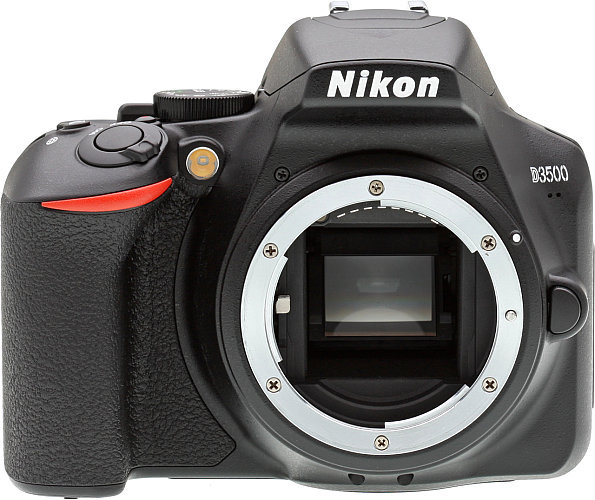
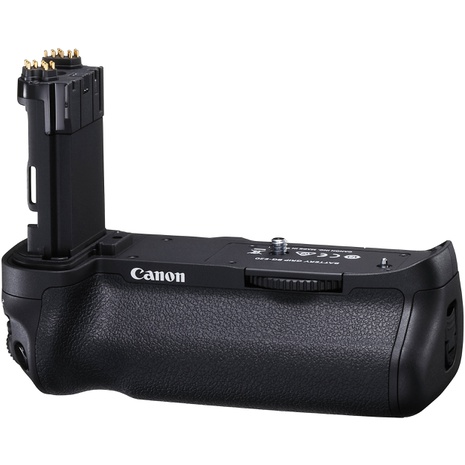
DSLRs generally have longer battery life compared to mirrorless cameras. DSLRs can often capture 600-800 shots or more on a single charge, while mirrorless cameras typically offer 300-400 shots per charge. If extended shooting is essential, users may need to carry extra batteries for their mirrorless cameras.
The variation in battery life can be attributed to mechanical differences, battery size, and display operation.
10. Price
In the budget segment, DSLRs often provide more features and options than similarly priced mirrorless cameras. For example, a budget DSLR like the Nikon D3300 offers an APS-C sensor, optical viewfinder, manual settings, and extended battery life at an affordable price. On the other hand, a similarly priced mirrorless camera like the Sony Alpha A6000 may have electronic viewfinders and may require extra batteries.
At higher levels of photography, the differences between DSLRs and mirrorless cameras become less pronounced, and the choice depends on personal preferences and goals.
Conclusion
In conclusion, the choice between DSLR and mirrorless cameras depends on your photography needs, preferences, and goals. For professionals and those who prioritize traditional photography, DSLRs may be the preferred option. Beginners may find entry-level DSLRs more accessible.
However, mirrorless cameras offer compactness, video capabilities, and continuous shooting advantages, making them ideal for amateurs and videographers. Ultimately, the decision should align with your specific interests and how you intend to use the camera.


